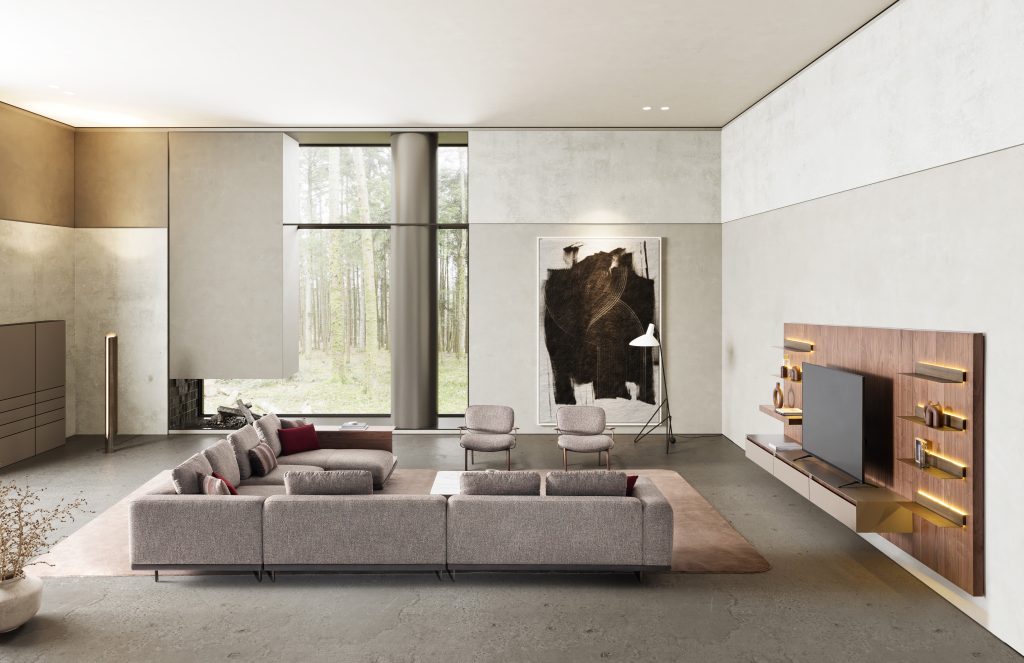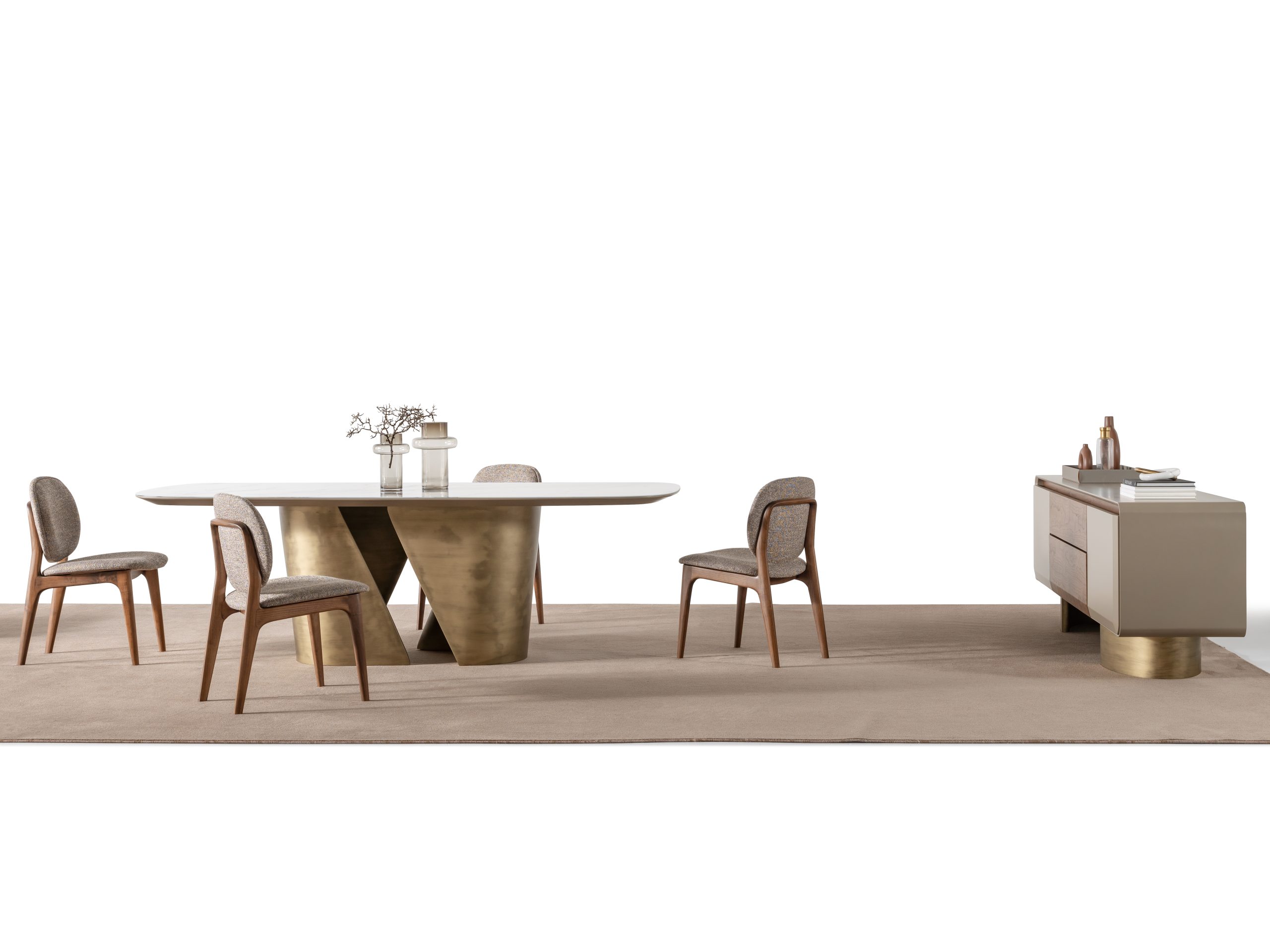
A dining table is more than a surface for meals. It often becomes a place to work, gather and share everyday moments. Choosing well means balancing proportion, seating comfort, finishes and the way people move around the room.
1. Start with the usable floor area
Measure the dining space before selecting a table. Include the practical clearance needed to pull chairs away from the table and walk around occupied seats. A table that fits physically may still feel awkward if people must squeeze behind chairs or block a doorway.
Draw the shape on paper or mark the proposed footprint on the floor. Consider pendant lights, nearby cabinets and whether the table will sit against a wall or in the centre of a space.
2. Think about shape and circulation
Rectangular tables suit many longer spaces and can offer a structured layout. Round or oval tables soften the lines of a room and make it easier to move around corners. In open-plan interiors, the table shape can help establish a distinct dining area without relying on walls or partitions.
Do not choose purely by the stated number of seats. Chair width, table-leg placement and the distance between place settings all affect real comfort. A sculptural base may create more knee room in some positions, while closely spaced legs can limit flexibility.
3. Check the chairs and table together
Dining comfort depends on the relationship between seat height, armrest height and the underside of the table. If chairs have arms, confirm that they can slide underneath. Test the arrangement with the chairs you intend to use, especially when mixing pieces from different collections.
Upholstered chairs can bring softness to timber, stone and lacquered finishes. For compact spaces, a simpler chair profile may keep the setting light and visually balanced.
4. Match the finish to daily life
Wood, glass, metal and stone-look surfaces each create a different atmosphere. Beyond appearance, ask how the surface responds to heat, moisture and routine cleaning. Some finishes need extra protection from spills or abrasive products. Follow the supplier’s care guidance for the specific material.
View samples alongside flooring and cabinetry if possible. A finish seen on a screen may appear warmer or cooler under your home’s lighting, and natural materials may show variation in grain and tone.
5. Plan for delivery and assembly
Large dining tables are often delivered in several pieces. Confirm the dimensions and number of packages and whether specialist handling or assembly is required. Check access to the intended room, including stair turns, lifts and doorways.
For made-to-order pieces, confirm the selected size, finish and expected production timeline before accepting a quotation. Delivery and installation services should be confirmed for the actual address rather than assumed from a product image.
Make space for the way you live
A well-proportioned dining setting can feel welcoming without being elaborate. Choose a layout that suits your daily routine, allows guests to sit comfortably and works with the wider room.
Explore dining and living furniture at VIVERE, or contact our team if you need guidance about a particular piece.